

By Christine Wangeci Ndiritu, Peter Ongalo, Catherine Kilelu
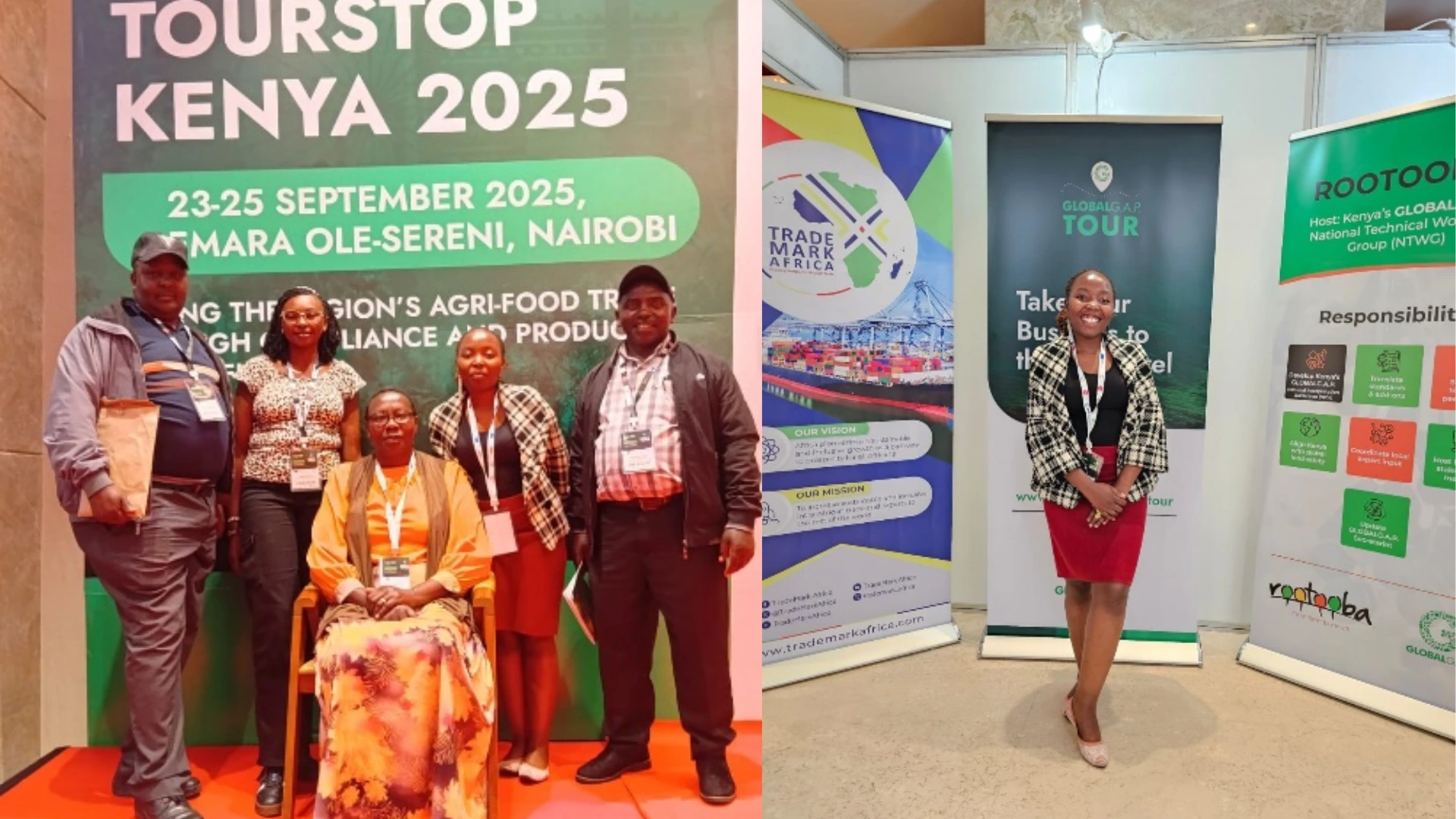
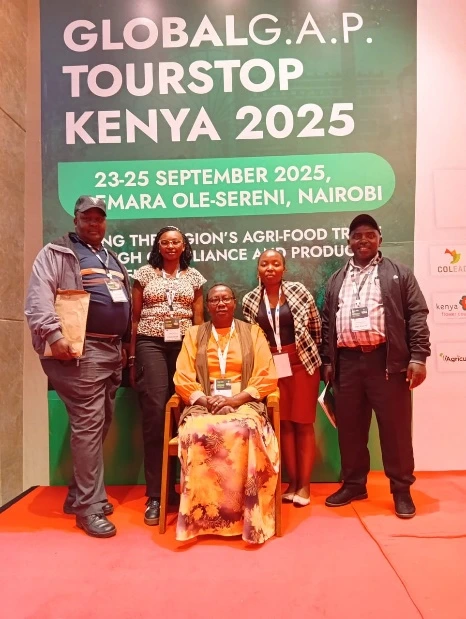
Kenya’s horticulture and fish industries are thriving, but succeeding in high-value global markets takes more than good produce—it demands global trust earned through strict certification and compliance. At the 2025 GLOBALG.A.P. Tour Stop in Nairobi, farmers, exporters, researchers, and policymakers came together around the theme: Driving the Region’s Agrifood Trade Through Compliance and Product Diversification.
This three-day event provided a dynamic platform for knowledge sharing and collaboration on food safety, certification, market access, and sustainability standards shaping future trade across the region and beyond. Here’s what each sector can take away.
Farmers: Growing Skills, Access, and Opportunities
Smallholder farmers are at the heart of Kenya’s agrifood growth. The Primary Farm Assurance (PFA) program introduced by GLOBALG.A.P.—now rebranded as Agraya—offers a stepwise path to certification, helping farmers build capacity in food safety, traceability, pest control, water management, and worker welfare. This support system equips farmers with tools to meet international standards and access premium markets.
Joyce Gema from TradeCare Africa stressed the importance of business models tailored to smallholder realities, highlighting how expanding regional markets like the African Continental Free Trade Area (AfCFTA) open new doors for farmers to become influential agribusiness players.
Exporters: Meeting Standards and Expanding Markets
Exporters face rising demands, especially from the European Union, which is increasing regulations around Maximum Residue Limits (MRLs) and enforcing sustainability practices such as mandatory use of 70% recyclable packaging by 2030. These regulations are both a challenge and an opportunity—to differentiate products through compliance and sustainability.
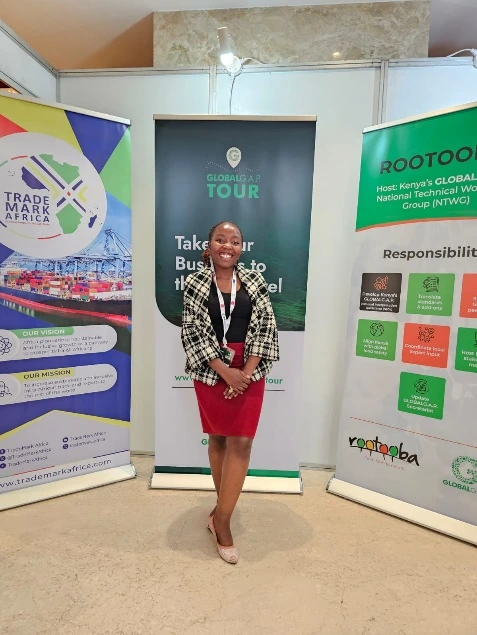
Lilian Mwai of TradeMark Africa pointed out that export diversification, especially in fruits like mangoes, is making Kenya’s horticulture sector more competitive in global markets. Consistent quality and adherence to standards remain vital for sustained growth.

Researchers: Innovation and Evidence for Impact
The growing agrifood sector presents rich opportunities for research on sustainable farming, post-harvest loss reduction, and certification impacts. The Tour Stop showcased how research underpins policy and practice, from aquaculture development supported by Kenya’s government to pesticide regulation innovations led by agencies like PCPB.
Researchers are urged to focus on developing context-appropriate solutions and evidence to help farmers and exporters adapt to evolving international standards and environmental pressures.
Policymakers: Driving Collaboration and Sustainable Growth
Policy frameworks must foster collaboration across stakeholders and create enabling environments for certification uptake, market access, and climate-smart agriculture. The Ministry of Agriculture and Livestock Development closed the event with a clarion call to shift 50% of horticultural exports from air to sea freight within 10 years—cutting costs and reducing the sector’s carbon footprint.
Policymakers also play a key role in ensuring pesticide regulations strike a balance between safety and practicality, supporting the promotion of biopesticides and safer farming practices that Kenya leads in regionally.
Conclusion: Compliance Unlocks Kenya’s Agrifood Future
For farmers, exporters, researchers, and policymakers alike, compliance is not a barrier—it is a gateway to new markets, innovation, and shared prosperity. By working together, Kenyan agrifood actors can compete confidently on the global stage, driving sustained growth and job creation for communities across the country.