
By Norah Ouma,
When I began my internship at the African Centre for Technology Studies (ACTS), I anticipated a typical, slow-paced learning experience where interns mainly observe and provide support from the sidelines. However, from the very first day, I realized this experience would be far from ordinary. ACTS encouraged me to take initiative and create my own space, rather than quietly blending in behind the scenes.
My internship placement was with the Climate Resilience Economies Program at ACTS. Within this program, I had the chance to work closely with several impactful initiatives: the Blue Empowerment Program, Just Energy Transitions, and the Adaptation Research Alliance Regional Policy Advocacy Program. Each of these placements exposed me to unique challenges and opportunities in the climate space.
Throughout my time in the program, my growth was shaped by four interconnected outcome areas of learning: research, policy engagement, capacity building, knowledge brokerage, and resource mobilization. Engaging with these five pillars gave me a well-rounded experience and helped me discover where my strengths and interests truly lie.
Policy: Shaping Change Through Influence
At ACTS, every project is designed with a purpose to influence and lead changes. Each activity and project gather stakeholder insights and a research package to offer policy recommendations and Insights. This design allowed me to be strategic with every work to ensure it is planned for evidence to move from paper into practice. The spaces I entered were not just “meetings,” they were platforms where language was tailored to diverse audiences, where facilitation shaped consensus, and where policy pathways were nudged forward.
Through policy engagements, I realized that policy work at ACTS is not about waiting for the right forum, it is about creating opportunities that shift mindsets and open doors for change.
Capacity Building: Growing Within and Beyond
Capacity building at ACTS happens on two levels: internal and external. Internally, young researchers and interns like me are trained through mentoring, project participation, and structured opportunities. Externally, ACTS invests in partners and networks, giving us opportunities to host webinars, design learning sessions, and presentations at international conferences.
Through the Pathways Academy and the Alternative Science Communication (Ask) Network, I was able to design sessions, moderate discussions, and co-create frameworks with peers. These experiences made me see capacity building not just as teaching, but as a continuous process of growing confidence, voice, and collaboration.
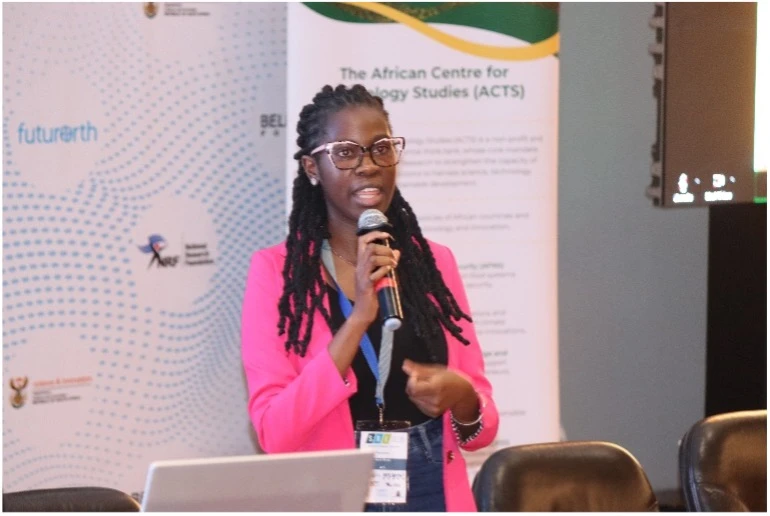
Figure 1: Presentation on Alternative Science Communication Ask Network during the Transformation Conference
Research: The Core of ACTS
Research is at the core of the Internship program at ACTS. It drives programs, informs policy dialogues, and shapes capacity-building initiatives. As an intern, I was immersed in both institutional research and the freedom to explore my own areas of interest. I contributed to blogs, co-authored papers, and moderated discussions that translated technical insights into accessible narratives.
I learned that at ACTS, research is never an isolated academic exercise it is about generating knowledge that is practical, timely, and transformative. More importantly, it is about ensuring that the evidence is communicated widely so it resonates with those who need it most.
Knowledge Brockerage: Turning Evidence into Action
ACTS fosters knowledge brokerage as a deliberate and strategic process of connecting science, policy, and society. It ensures that evidence informs action and that communities’ realities inform research. I experienced this through co-producing info briefs, engaging in dialogues, and supporting dissemination efforts that linked complex insights with real-world applications. From translating technical reports into accessible summaries to helping frame talking points for regional stakeholders, I saw how knowledge becomes powerful when it is made relatable.
At ACTS, communication is part of the research publication. Knowledge brokerage taught me that impact depends on how well ideas move across disciplines, audiences, and borders. It is through these exchanges that evidence becomes policy, innovation becomes practice, and collaboration becomes change.
Resource Mobilization: Turning Ideas into Action
At ACTS, resource mobilization is designed to unlock potential. From drafting concept notes to brainstorming proposals, I saw how timely ideas could be converted into actionable initiatives.
What struck me most was the collective energy of resource mobilization when researchers, policymakers, and communities pool their strengths; the result is more than just funding. It is momentum, collaboration, and innovation rolled into one. Resource mobilization here is not just a financial exercise; it is a creative process of ensuring ideas don’t just live on paper but come alive in the world.
Taken together, these four areas, policy, research, capacity building, and resource mobilization made my internship an overarching growth and learning opportunity. They gave me breadth and depth, grounding me in practical experiences while also showing me the bigger picture of ACTS’s work.
My first activity was a regional workshop on Climate adaptation. I arrived eager to assist, ready to help with report writing. Instead, I found myself unexpectedly in the facilitator’s seat, leading my very first activity. After a quick briefing, the next step was up to me, and I rose to the occasion. That session marked my first immersion into climate advocacy, plunging me into meaningful cross-regional collaboration and sparking lessons that would shape my entire internship journey. My reflections on that experience even became the subject of my first blog Post cross regional collaboration. There wasn’t a single moment that changed everything, but rather a series of small breakthroughs and an honest reflection gradually began to see where I might fit in this new world. In sharing the lessons from my internship, each one a surprise, a challenge, or a triumph, I hope to capture how I found my footing, and maybe even inspire someone else standing at the edge of their own “first day.”Here are the 10 key lessons I pulled from this journeyeach one a surprise, a challenge, or a breakthrough that shaped the person I am becoming.
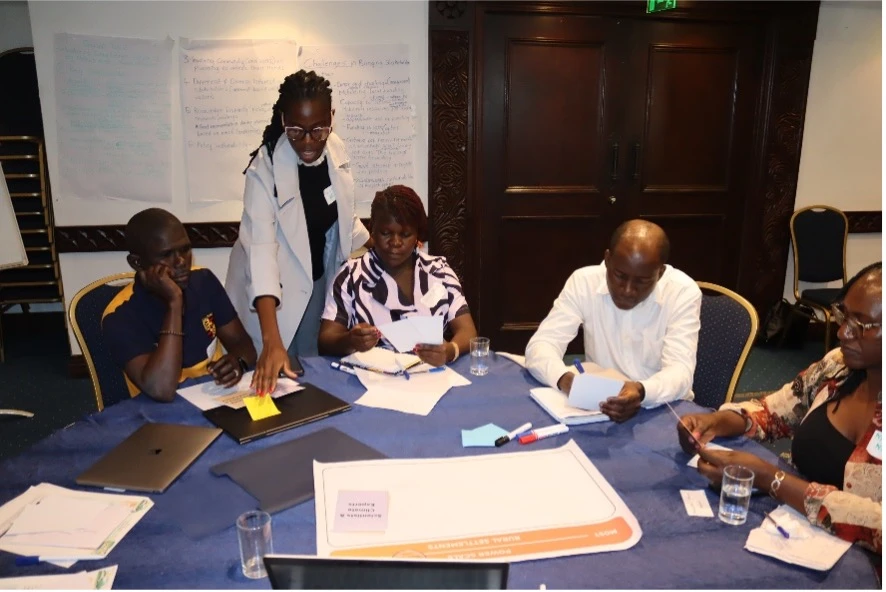
Figure 2; Moderating Group session during the ARA knowledge synthesis symposium
Lesson 1: Embrace the Learning Curve
Coming from a Community development background, the climate resilience economies space was completely new to me, and I found myself engaging with technical terms and concepts I had never encountered before. Even in simple tasks like compiling documents, I had to learn quickly and adapt. These learnings, however, became steppingstones. I Learnt that when I later moderated a podcast episode on financing Africa’s climate adaptation, I realized how much that early exposure had equipped me. The concepts that once felt overwhelming gave me the confidence to guide the discussion and host an engaging session. The learning curve wasn’t just about catching up; it was about laying the foundation for new opportunities. My turning point was when I was able to understand, ideate and articulate concepts in climate Resilience and Adaptation skills I developed by embracing the initial challenges and uncertainties of the learning process.
Lesson 2: Learning Happens in Motion
A key lesson I learned was that you grow best in motion; you don’t need to have all the skills in place before starting a task. It is in action that real learning happens. When I was part of the team supporting the launch of the ACTS Pathways Fellowship Program, I quickly realized how much I would have to pick up on the go. Beyond research, I had to stretch into new areas: marketing, stakeholder management, and organizing at a scale I had never imagined. It wasn’t a one-day event but months of activities, designing lesson plans, setting expected outcomes, and even identifying potential facilitators. And finally, when the fellowship launch came to life, I could see just how much I had grown. I had cultivated new skills in more than one area, proving that the best learning comes not before the action but within it. The most crucial element in learning is embracing the unknown, stepping confidently into new roles, and realizing that growth happens best through doing and refining skills along the way.
Lesson 3: Small Wins Build Confidence
My confidence has been built most strongly in online engagement. Designing marketing materials and mobilizing people for programs gave me a chance to experiment with communication, creating posters, drafting messages, and sharing updates across platforms. Each new interaction, whether responding to a question or encouraging someone to join, added a layer of confidence. Over time, these seemingly small tasks prepared me to take on larger responsibilities, teaching me that growth often comes not in giant leaps but in steady, repeated steps. Through handling small segments in the events session, I was confident and took a leap to moderate more sessions physically and online. Each little success made the next one easier to take on, showing steady progress and growth.
Lesson 4: Do Not Box Yourself In
Working in CRE and at ACTS meant being part of a large team with diverse skills and expertise. In such an environment, it quickly becomes clear that wholesome learning requires stepping beyond your initial role. I joined intending to build my research and policy skills, yet I soon found myself taking on communications responsibilities and even leading a co-creation session on Business models, an area I had never imagined I would touch. Experiences like this showed me that growth happens when you stay open to learning across disciplines, rather than limiting yourself to the duties you first expected. By stepping beyond my initial research role to take on, I expanded my skillset, gained confidence in leadership, and developed a broader interdisciplinary perspective, proving that growth happens when you embrace challenges outside your comfort zone.
Lesson 5: Adapt to Advance
During the Blue Empowerment Policy Dialogues on bolstering gender inclusion in the blue economy, held in both Kwale and Kilifi, I learned that adaptability is essential. Each location brought its dynamics: in one, I had to adjust the language and simplify terms to ensure clarity; in the other, the diversity of the audience required shifting tone and emphasis to maintain engagement. The lessons themselves also differed, shaped by the distinct contexts of each county. I found myself constantly reworking notes and approaches, with insights from day one feeding directly into how I managed day two. This experience mirrored many other tasks during my internship. It showed me that adaptability is not about starting from scratch each time, but about staying flexible and building on what you learn to respond effectively in changing environments.
After the first two dialogue sessions, I had learned to adapt continuously, so by the third dialogue, I confidently managed questions and steered the conversation with ease. This experience reinforced that flexibility and openness to change are essential ingredients for growth and engaging communication.
Lesson 6: Networks Are Bridges
Through the Alternative Science Communication (Ask) Network, I experienced the power of collaboration beyond a single project or institution. We came together as individuals with diverse interests but a shared passion for making science communication more impactful. Together, we co-created the framework for the network, designed activities, and mobilized participants even drawing in people I had never worked with before, but who quickly became collaborators. This process showed me that networks are more than professional contact; they are living bridges that connect ideas, skills, and people in ways that spark opportunities none of us could achieve alone. Building the Alternative Science Communication (ASK) Network was a game changer. I discovered how collaboration transforms scattered ideas into shared opportunities, generating new insights and innovative pathways forward.
Lesson 7: Feedback Is a Gift
Looking back, one of the most transformative parts of my journey was learning to treat feedback not as critique, but as a steppingstone. Public speaking was never something I considered a strength, yet my internship gave me many opportunities to stand before different audiences, from the Blue Economy policy dialogues to the Just Energy Transition dialogues. I also moderated a three-day workshop and hosted several webinars, each requiring different levels of preparation and adaptability. Every setting stretched me differently, and so did the feedback I received. What I learned in one space, whether about refining my language, pacing my delivery, or allowing more room for audience engagement, I carried into the next. Even informal debriefs after sessions became valuable lessons. Over time, I grew more attuned to non-verbal cues, adjusted how I structured ideas in my speeches, and became more comfortable making presentations that connected with people rather than simply delivering information. The real gift of feedback was not just in improving my performance, it was in showing me that growth is continuous, and every voice of guidance has something to teach if you are willing to listen. Moderating workshops and webinars were the pivotal moment when I realized that embracing feedback could transform a nervous speaker into a compelling, engaging communicator.
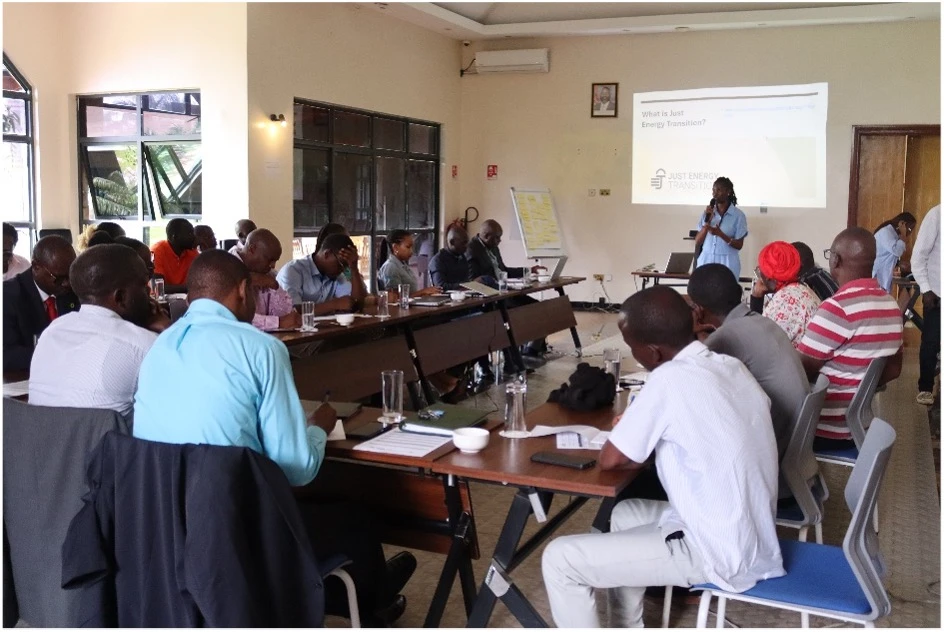
Figure 3; Moderating Policy dialogue on Just energy transitions in Kisumu County
Lesson 8: A Good Idea Dies in Inaction
One challenge I encountered was learning to act on ideas quickly. There were moments when I hesitated, spending too much time overthinking or second-guessing whether my contribution was good enough. For example, after one of the dialogues, I had an idea for a blog that could have amplified the discussions. I delayed working on it, and by the time I finally pulled it together, the momentum of the dialogue had already moved on. That experience was a turning point for me. It taught me that ideas only make an impact when they are acted upon in time. Since then, I’ve tried to trust my instincts more, put drafts out sooner, and refine them along the way. The lesson I carry is simple: progress is better than perfection, and inaction can quietly bury even the best idea. Hardly any of the Work I do is ever perfect from the word go I aim to start and build on it.
Lesson 9: Impact Is Collective
During the annual progress session in the Blue Economy program, I saw firsthand how powerful collective action can be. People directly working on Integrated Multi-Trophic Aquaculture (IMTA) technology shared their updates, scientists presented on water quality monitoring, community members described the businesses they were building, and students like me reflected on our learning journeys. Alongside us were advocacy teams pushing for inclusion, government representatives aligning policies, and partners offering support. When all these voices and efforts came together, the impact was undeniable. I realized that my internship, though just one thread in this web, was part of the broader fabric of change. The lesson was clear: real transformation is never the work of one person or one sector; it is the sum of many, working together with a shared purpose.
Lesson 10: Make Time to Reflect
Working across different programs, whether in the Blue Empowerment, the Just Energy Transition work, the ACTS Pathways Academy, the Adaptation Research Alliance Regional policy advocacy project, or the Alternative Science Communication Network, meant I was constantly shifting between diverse contexts and responsibilities. Each space demanded something different of me: policy insights, facilitation, advocacy, coordination, or creativity. In the busyness of it all, it would have been easy to simply keep moving forward without pause. But I found that the most valuable growth came when I took time to reflect. By journaling after an event, reviewing lessons from a project, or writing blogs that captured insights, I was able to process not just what I had done, but what it meant. Reflection helped me connect the dots between these programs and see how, together, they shaped my skills and deepened my understanding of climate resilience, policy, and communication. Taking time to reflect turned experiences into lessons, and lessons into a sense of direction for my future.
Conclusion: Lessons That Endure
As I look back on my internship, I carry a deep sense of gratitude for the mentors who guided me, the colleagues who trusted me with responsibility, and the many opportunities that stretched me beyond what I thought I could do. The journey was not without its challenges, but each one became part of the process of growth. In navigating new concepts, adapting to shifting contexts, and engaging with diverse teams, I found more than just skills; I found direction. I discovered that my place is not on the sidelines, but as an active contributor in spaces where research, policy, and communication meet. This experience has shown me that finding your place is not about waiting for it to be given; it is about stepping forward, embracing the challenges, and allowing each experience to shape you into who you are becoming.