
Authors: Ursulla Wandili, Betty Mohe, Salma Omollo, Dr. Catherine Kilelu, Peter Ongalo
What if the byproduct of your favourite cheese or yoghurt held the key to transforming Kenya’s food system toward a circular bioeconomy, fueling innovation, and cutting down on waste management from processing? Kenya’s dairy sector is experiencing rapid growth, with increased production of cheese and yoghurt to satisfy expanding consumer demand. The Kenya Dairy Board projects that cheese and yoghurt consumption will double by 2030. This expansion brings a significant challenge owing to increased volumes of whey of how to effectively manage whey, a byproduct in processing cheese and yoghurt. Hence, produced and discarded. Whey is an asset with tremendous potential to foster sustainability, enhance nutrition, as part of the growing interest in bioeconomy. This was the central message conveyed at the recent VALORISE project workshop held in Nairobi. The VALORISE project aims to map whey’s usage amongst Kenya’s dairy processors, assess the environmental impact of whey waste and identify feasible and sustainable pathways to turn whey into valuable products.
The (Mis)opportunity of Whey
Whey valorization is a key to aligning Kenya’s dairy sector with sustainability by integrating circular bioeconomy principles. Whey, cheese and some yoghurt processing byproducts, typically discarded as waste, contributing to environmental problems because of its rich organic content. However, whey is rich in protein, lactose, vitamins, and minerals, making it suitable for valorizing it into new products such as nutritional supplements, animal feed, and functional foods and pharmaceutical applications, and/or bioenergy production.
However, findings from the VALORISE project revealed that 80% of dairy processors in Kenya producing whey from cheese and yoghurt processing discard the whey while the minority sell or give for free for animal (pig) feeding. High transportation costs and inadequate infrastructure for storage and handling, limited scale were identified as major barriers.
In this context, a scenario workshop was organized by the project to discuss with stakeholders pragmatic opportunities or pathways for valorisation of whey in Kenya. The pathways should be economically viable and environmentally sound. Three pathways were identified
- For livestock (pigs and chickens) farmers, integrating whey into feed formulations can lower the high expenses associated with traditional protein sources.
- For processors, it presents a chance to diversify their revenue streams by developing additional whey-based products
- The development of products that can be considered in the pharmaceutical sector.
The first two seem most promising in the short and medium term. Valorization of whey will contribute to environmental sustainability through diverting the waste into products, thus decreasing pollution and greenhouse gas emissions, potentially saving 6,000 tons of CO₂ and thousands of hectares of land each year if just 10% of Kenya’s whey is valorized. If harnessed properly, whey’s potential could significantly diminish waste, bolster livelihoods, and improve food security.
The Need for Innovation, Policy, and Collaboration Whey valorization in Kenya faces key hurdles: minimal policy guidelines, limited research and innovation, insufficient processing infrastructure, and low public awareness The workshop called for a bold coordinated action plan that includes policy reform, investments in processing technology, research to determine optimal The Ministry of Agriculture and Livestock Development must lead with clear regulations, promote research & innovation, and foster public-private partnerships. Capacity Strengthening and Financially Empowering the Local cooperatives and processors scales up technology and market whey-based products.
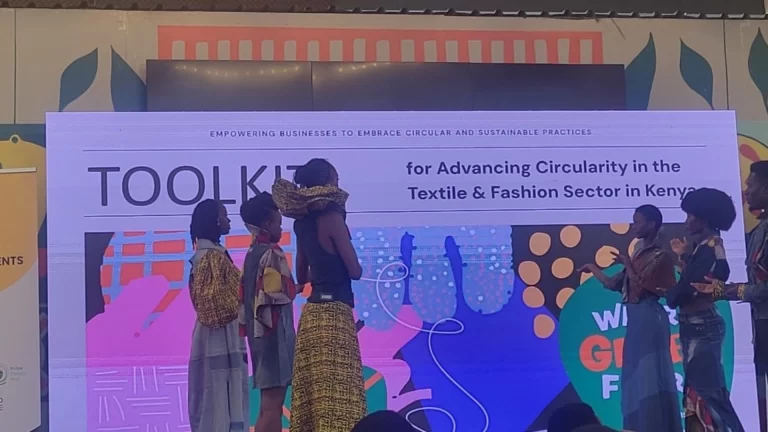
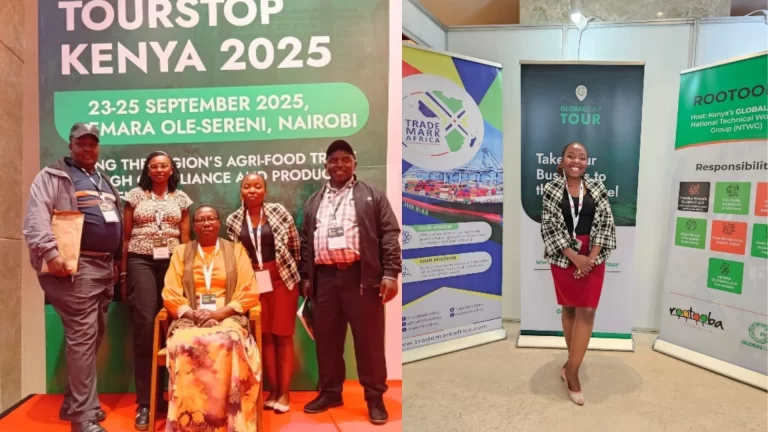
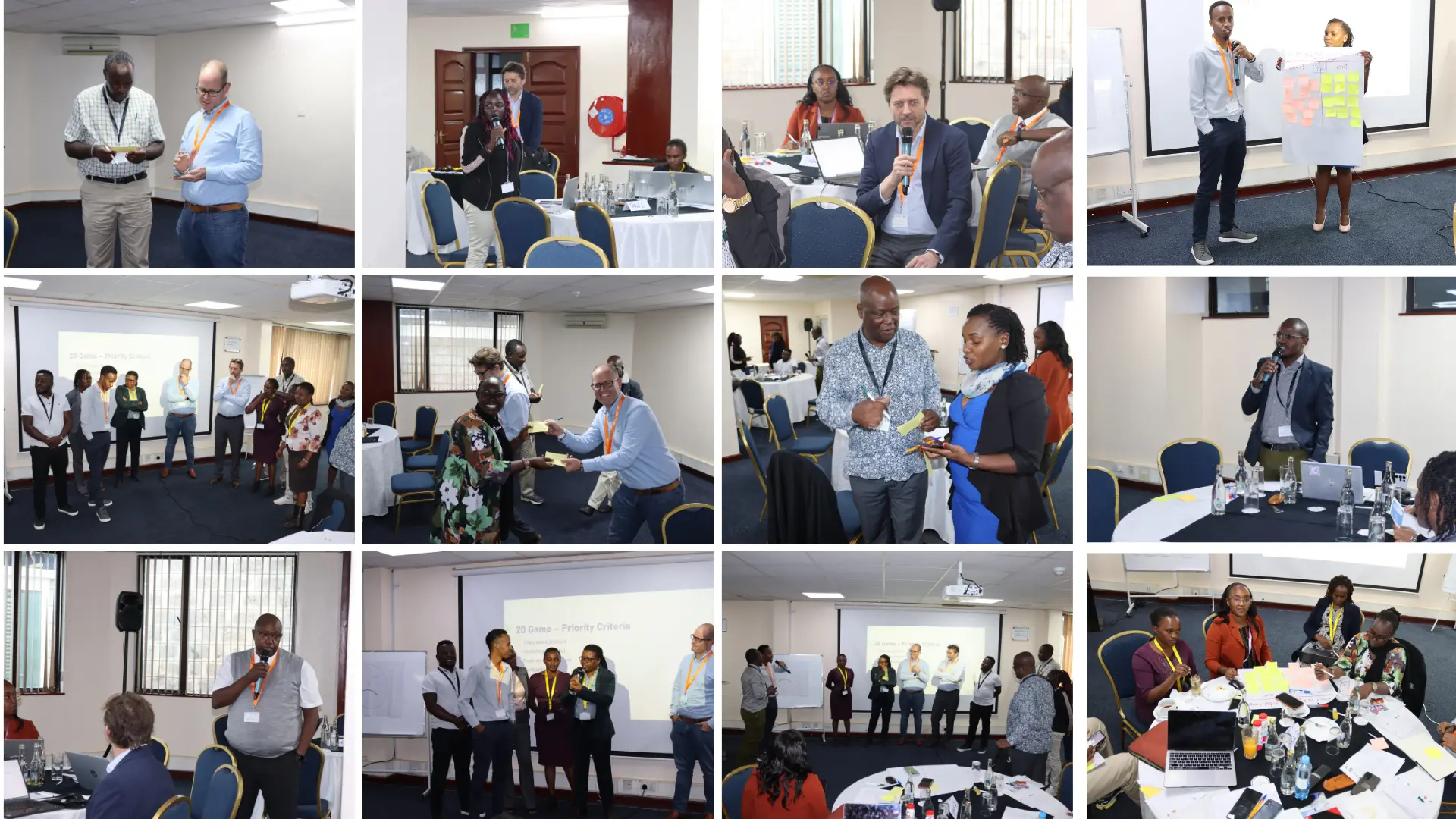 Activities during the Trends and Opportunities for Valorisation in Kenya dairy processing Scenario Workshop in Nairobi, Kenya.
A Future Grounded in Circular Thinking
Kenya’s dairy sector is at a pivotal moment, with a vision toward sustainable growth etched in the Dairy Sustainability Road Map. With the right investments, whey can be transformed into a resource and contribute to sustainable dairy innovation. The VALORISE project has laid the groundwork; now is the time for stakeholders throughout the value chain to take action. By adopting circular bioeconomy principles and valorizing whey, Kenya could lead Africa in creating a robust, inclusive, and climate-resilient dairy sector where nothing is wasted, and everything holds value.
Call to Action: Whey isn’t waste—it’s a resource. The VALORISE Project, through research, has shown what’s possible. Now it’s time for dairy farmers, processors, policymakers, dairypreneurs, donors, research institutions and supporting agencies in Kenya to take bold steps toward a more sustainable, circular, and profitable dairy sector.
Together, we can turn every drop of whey into a step toward a greener future!

Related resources:
Blog: Whey Waste into Wealth: Harnessing the Possibilities of Whey in Kenya.
Workshop report: Valorizing Dairy By-products: Insights from a Kenya Circular Economy Journey with the VALORISE Project