
By Christine Wangeci Ndiritu
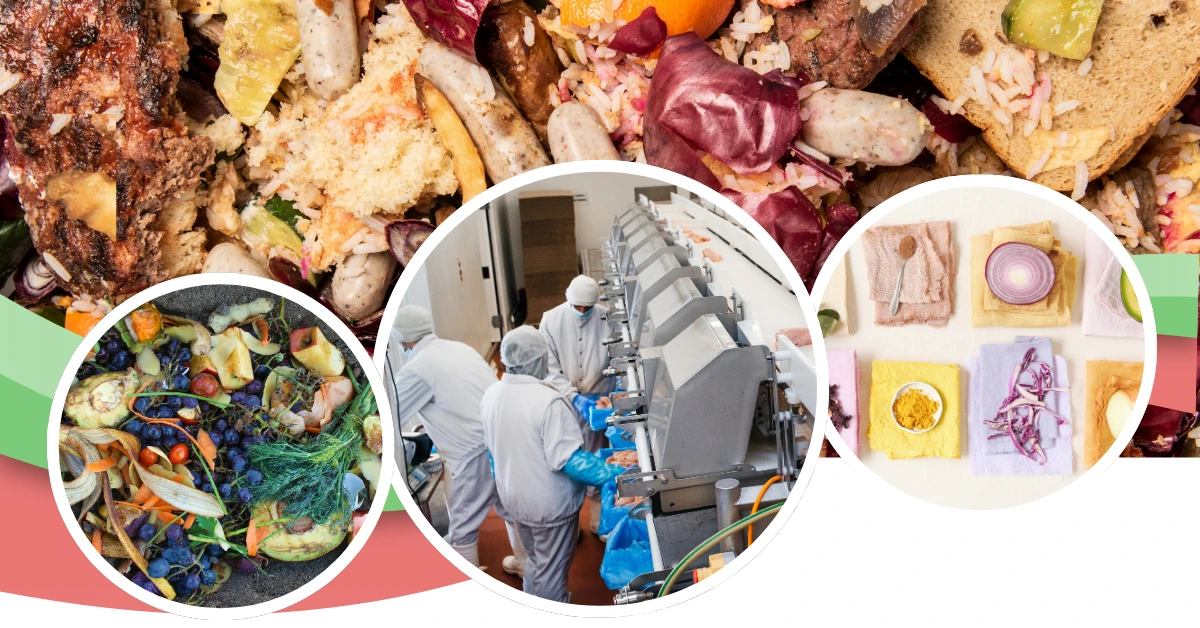
Circular economy is waste reimagined where resources are maximised, and waste is minimised by keeping materials in continuous cycles of recycling, reuse and value addition. This was directly tied to the Kenya National Research Festival 2025 theme, which as “Sustainable Agriculture and Food Security: Empowering Communities through Research, Science, Technology, and Innovation,” where a range of circular solutions, farm management practices and other innovations were showcased.
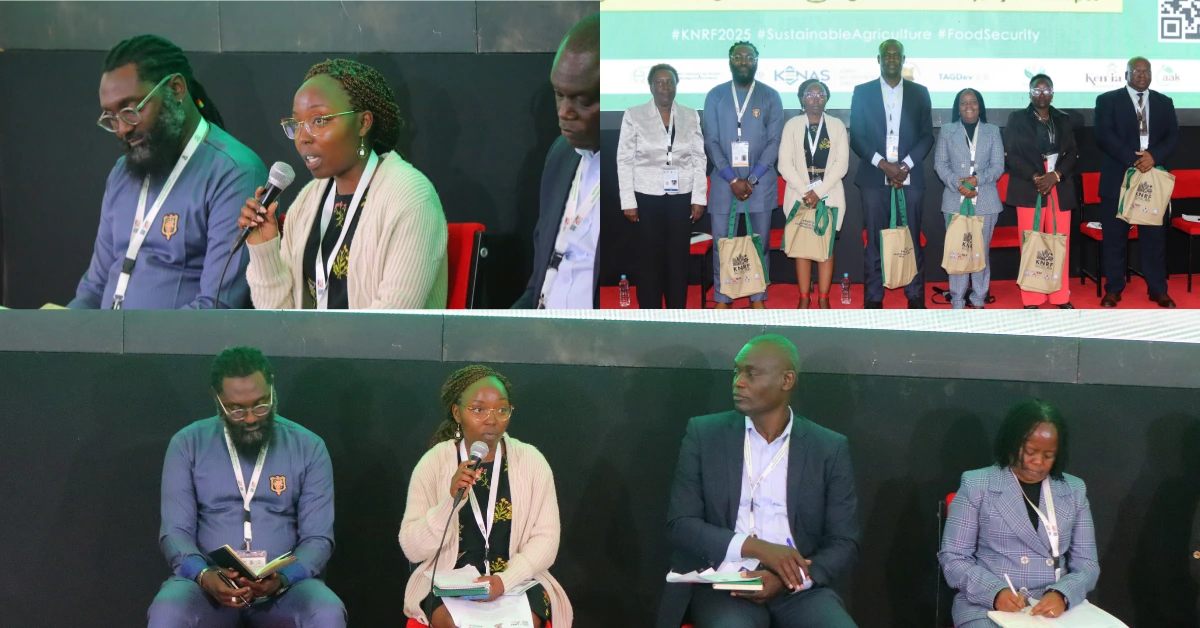
During a panel discussion on ‘Diversifying Benefits from Waste Products through a Circular Economy’, experts, policymakers, and innovators unpacked how Kenya can shift from a throwaway culture to a thriving circular economy that benefits people, businesses, and the planet.
This blog captures some insights from different speakers and shares some of the case studies in circular economy.
The policies exist, but enforcement and implementation are needed
Salom Machua from the National Environment Management Authority (NEMA) outlined Kenya’s waste management laws. Since 1999, the Environmental Management and Co-ordination Act (EMCA) has empowered NEMA to regulate pollution, biodiversity, and waste. More recently, the Sustainable Waste Management Act (2022) introduced Extended Producer Responsibility (EPR), requiring producers to manage products through their entire lifecycle, alongside private-sector waste plans. Other tools include the National Solid Waste Management Strategy and the Electronic Equipment Disposal Bill.
“The laws and policies are there; but the real challenge is enforcement,” Salom Machua emphasised. The panel noted lessons from the 2017 plastic bag ban, which cut usage by 80% within a year. Stronger enforcement, more officers on the ground, and citizen involvement in policy design were highlighted as critical next steps.
Quantifying waste is the key to smarter interventions
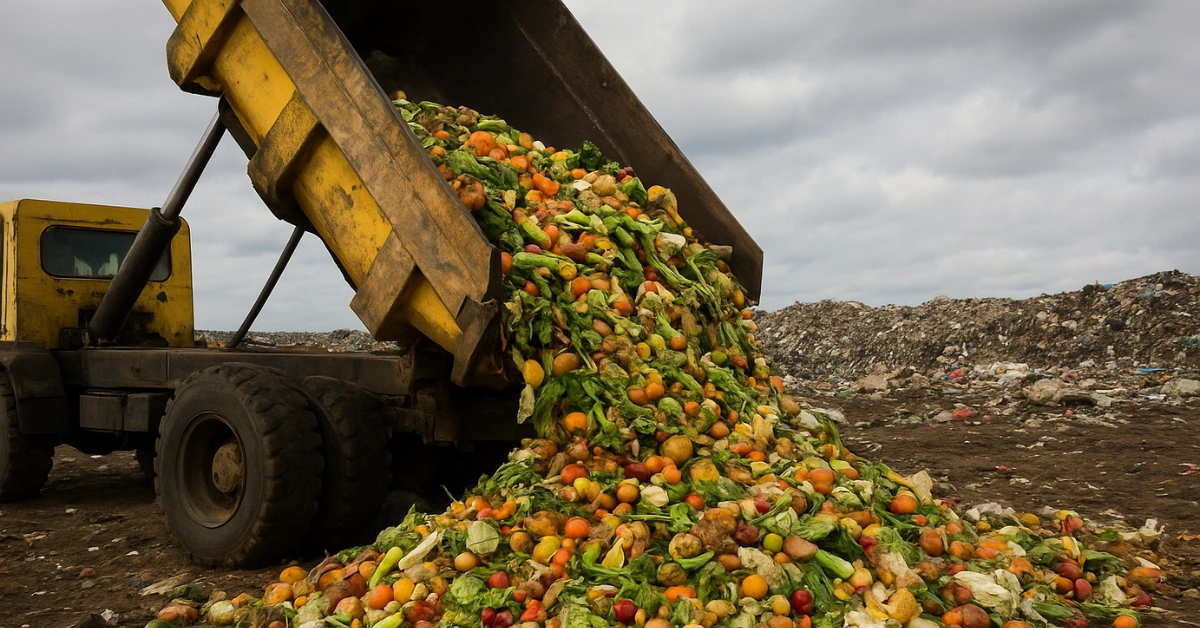
According to a report by Aspen Network of Development Entrepreneurs (ANDE) in 2024, Kenya generates 8.8 million tons of waste annually with over 75% ending up in landfills or incinerated. Nairobi alone produces 2,000–2,500 tons daily, 80% organic and 20% plastic, and nationwide, solid waste averages 3,000–4,000 tons daily, mostly from urban areas.
Christine from ACTS stressed that while these figures are useful, they do not reveal which stages of the value chain generate the most waste or break down volumes of food, plastic, textile, and e-waste. Without these details, interventions risk being off target. Speaking during the Kenya National Research Festival 2025, in Njoro, Kenya, she emphasized that evidence-based solutions must start with accurate, localized data.
From classrooms to communities
The speakers agreed that there is a need to include topics and subjects on circular economy in school curricula. Students should not just read about the negative impacts of poor waste management but also learn how to leverage waste as a business opportunity through recycling, upcycling, and other circular economy practices.
The youth need support to harness opportunities in circular economy innovations and to explore how they could become entrepreneurs. Small and Medium-sized Enterprises (SMEs) that already have structures and machinery could offer training and even short courses to the youth and women, making practical knowledge easily accessible right within their reach.
Child labor in waste management
One festival participant noted that while the circular economy holds promise for Kenyan innovators, it also has a darker side. Young people, and some being underage, are drawn into waste collection for recyclers, often for meagre pay, while those with influence reap most of the rewards. Without stronger regulation, child labour risks overshadowing the real benefits of the circular economy.
The two case studies below show that circular economy is not just theory, but it thrives through practical solutions and collaboration.
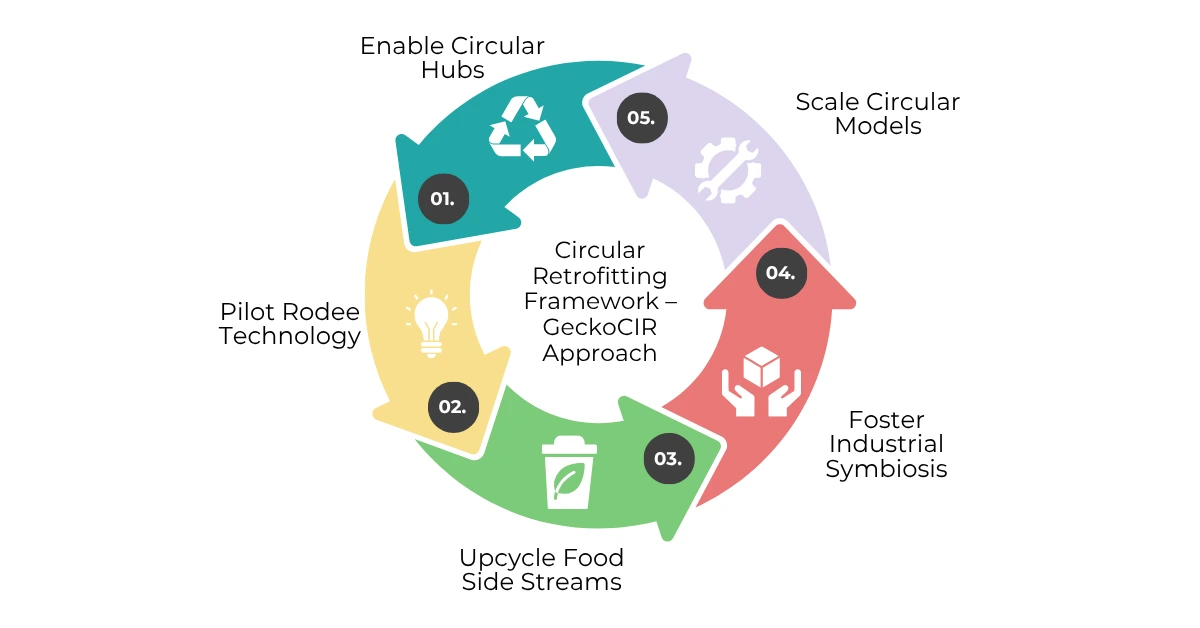
Circular Retrofitting for Sustainable Industrialization (Geckocir) Project
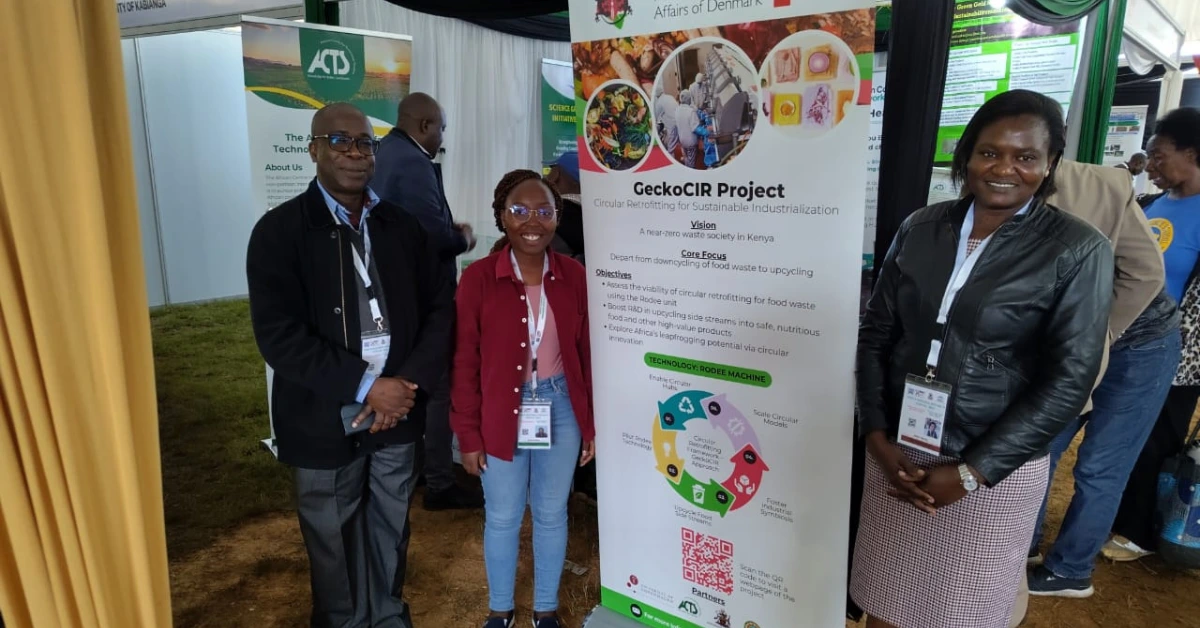
Christine from ACTS shared insights on the Geckocir Project, which is developing practical ways for food processors to upcycle waste into high-value products different from the traditional practices of recycling, repurposing and reusing. For instance, mango seeds can yield starch and mango peels can produce pectin which is both valuable in food, pharmaceuticals, and cosmetics. She noted that this shows the circular economy is not only about environmental management but also a business opportunity, made possible through collaboration among academia, industry, researchers, and regulators.
Konza Technopolis: a living lab
Konza, the Silicon Savannah of Africa, is a good example that proper waste management is possible. At Konza, waste is segregated at the source and continues to be separated until the end. This makes it possible to efficiently upcycle, recycle, or even reuse the waste for other secondary purposes before it is just disposed of. Konza offers a practical blueprint for scale-up in other parts of the country as well.
Towards a Near-Zero Waste Future
In conclusion, Kenya’s journey toward a circular economy is underway, but progress depends on stronger enforcement, accurate data, and community-driven education. At the same time, challenges such as child labor must be addressed to ensure that no one is left behind. With the right mix of policy, innovation, and citizen engagement, waste can indeed be transformed into a valuable resource that supports sustainable growth.