
By Ursulla Wandili
Introduction
Internships serve as a bridge between academic knowledge and professional practice, offering a space to apply learning, acquire new skills and gain a deeper understanding of real-world challenges. My internship at the African Centre for Technology Studies ( ACTS) marked a significant step in this journey. As one of Africa’s leading think-and-do tanks, ACTS is committed to advancing science, technology and innovation to support sustainable development across the continent. What makes ACTS distinctive is not only the rigour of its research, but also its deliberate focus on translating evidence into action, policy and inclusive change.
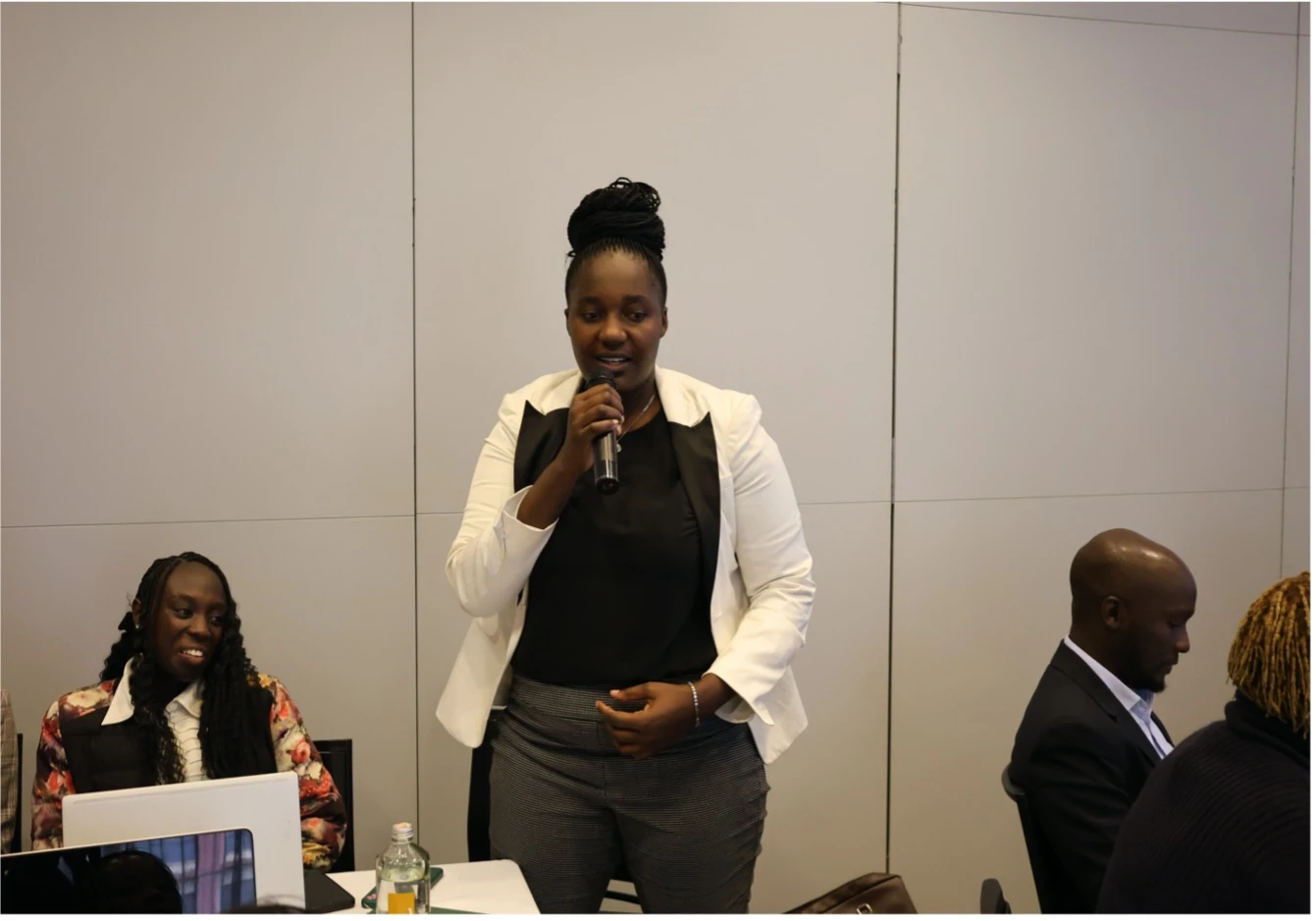
I joined the Climate Resilience Economies (CRE) Programme, one of ACTS’s core programme areas that supports climate adaptation through applied research, capacity development, stakeholder engagement, and the promotion of inclusive innovation. The programme addresses complex and interconnected challenges such as biodiversity loss, gender inequality, climate vulnerability and sustainable livelihoods, creating a rich learning environment for emerging professionals.
Throughout my internship, I engaged in a range of assignments that exposed me to the inner workings of research, project design, communication, and knowledge translation. These experiences enabled me to apply critical thinking, enhance my writing and coordination skills and better understand the dynamics of interdisciplinary teamwork. I also gained first-hand insight into how research can be co-produced with communities and aligned with policy to create meaningful outcomes.
What stood out most was ACTS’s commitment to embedding its work in local realities. The CRE Programme, in particular, showed me the value of working across sectors, disciplines and stakeholder groups to design solutions that are both innovative and contextually grounded.
This reflection draws together key lessons and experiences from my internship, organised across five thematic areas that reflect CRE’s strategic approach to impact: research, capacity strengthening, stakeholder engagement, policy engagement, and resource mobilization.
Research for Real-World Impact
Research was a central component of my internship, providing opportunities to contribute to knowledge development across multiple thematic areas. I was engaged in preparing written outputs such as reports, blogs and information briefs each designed to communicate evidence in formats suitable for different audiences, including policymakers, practitioners, and communities.
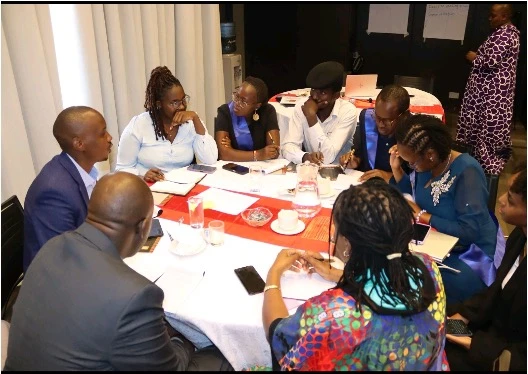
Some of the work I contributed to includes the Yala T-LAB Workshop Report, which captured insights from a collaborative knowledge co-creation process, and a reflective piece on Strengthening Capacity for Climate Adaptation, emphasizing the shared responsibility across sectors. I also explored innovation in agri-food systems through a blog on Turning Whey Waste into Wealth in Kenya, and co-authored an article titled Yala Wetland’s Turning Point: From Crisis to Collective Action, highlighting community-driven conservation efforts. In addition, I documented the role of the blue economy in gender and climate resilience through a piece on Riding the Blue Wave, which focused on empowering coastal women in Kenya.
These assignments enabled me to apply analytical thinking, improve my writing skills, and strengthen my ability to translate complex ideas into accessible and action-oriented messages. Participating in collaborative writing processes also gave me valuable exposure to how research is framed, reviewed, and refined. I gained a deeper appreciation for research that is both rigorous and relevant, grounded in context, responsive to real-world challenges, and aligned with broader efforts to support policy and practice.
Strengthening Capacity through Exposure and Mentorship
My capacity was strengthened not just through formal learning, but through real-time engagement in live projects, feedback loops and hands-on responsibilities. I refined core competencies such as writing for policy audiences, synthesising evidence, and contributing to the design of knowledge products.
Mentorship played a vital role, working alongside experienced colleagues exposed me to high standards of quality, while offering space to ask questions, take initiative, and reflect. CRE programme fostered an environment where learning was embedded in daily work, and where interns were treated as contributors, not just learners. This approach helped me build confidence, professional judgment, and a deeper understanding of how capacity grows through trust, practice, and constructive feedback.
Engaging Stakeholders with Purpose
One of the most impactful parts of the internship was learning that meaningful change is often built through relationships. At CRE, I saw firsthand that stakeholder engagement is not a one-time event, but a continuous process grounded in mutual respect, active listening and shared visioning.
A key highlight was my involvement in the Yala Wetland Transformation Lab, where elders, youth, policymakers and civil society actors came together to co-design sustainable futures for the wetland. I actively supported this process, not only by documenting the workshop and contributing to blogs that amplified community voices, but also by coordinating and inviting stakeholders to ensure their meaningful participation.
This experience deepened my appreciation of stakeholder engagement as both a method of knowledge generation and a foundation for more grounded, inclusive, and accepted outcomes in environmental planning and research.
Communicating Research to Inform Policy
Throughout the internship, I saw how communication is central to the policy influence work that ACTS undertakes. Whether drafting blogs, supporting briefs, or contributing to reports, I learned to tailor language and format to suit different audiences and platforms.
This experience strengthened my ability to convey technical ideas in concise, clear, and actionable formats. I became more aware of how language, tone, and timing influence how evidence is received, and how essential it is to align communication with broader policy narratives and agendas.
Working within this space taught me that effective policy engagement doesn’t start with recommendations, it begins with framing research in ways that are timely, relevant, and responsive to the priorities of decision-makers and local communities alike.
Learning through Resource Mobilization
During my internship, I had the opportunity to observe and support early-stage processes of grant concept development. While I did not lead proposal writing, I contributed to shaping ideas, reviewing drafts and understanding how projects are framed for potential funders.
This offered critical insights into how organisations align their strategic priorities with funding opportunities, and how concepts evolve through internal collaboration. I learned the importance of articulating clear value propositions, incorporating cross-cutting themes like gender and inclusion, and balancing ambition with feasibility. Understanding the behind-the-scenes process of resource mobilization gave me a fuller picture of what it takes to design fundable, impactful work, and how strategic thinking connects vision to opportunity.
Navigating Challenges
Despite the enriching experience, the internship was not without challenges. Managing multiple deadlines across different projects sometimes created pressure, particularly when supporting outputs that required rapid turnaround. Adapting to the writing styles and expectations of different supervisors also required flexibility and strong communication.
In some instances, I had to quickly familiarise myself with unfamiliar technical topics, such as bioeconomy, which demanded extra research and learning on the go. However, these challenges ultimately strengthened my resilience and ability to work under pressure.
Conclusion: A Foundation for Growth and Contribution
My internship at ACTS has been a transformative period of learning, growth, and discovery. It helped me connect academic knowledge to practical challenges, and offered a rare opportunity to engage in multidisciplinary work that blends research, community insight, innovation, and policy relevance.
Beyond skills, this experience nurtured confidence to contribute, to lead small processes, and to speak up in spaces I once felt unsure. It also gave me clarity on the kind of work I want to do: evidence-based, people-centered, and impact-driven. I am grateful to the CRE team for creating a space where young professionals are trusted, mentored, and given the tools to thrive. As I look ahead, I carry with me not only the skills I’ve gained, but also a deeper commitment to contributing meaningfully to climate resilience, inclusive development, and the co-production of knowledge that matters.